
Article: Getting Your Planter Ready Before You Hit the Field


Getting Your Planter Ready Before You Hit the Field
Planting season doesn’t leave much room for mistakes. Once the weather is right and the field is ready, you want your planter ready too.
A little preparation before heading to the field can help prevent downtime, missed rows, inaccurate seed population readings, and other problems that can cost valuable time during planting.
At SENSOR-1, we believe checking your planter monitoring system should be part of your preseason preparation.
1. Inspect Your Seed Sensors
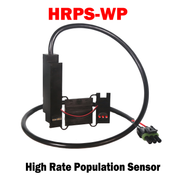
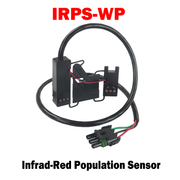
Start by checking the seed sensors on each row of your planter.
Dust, seed treatment, dirt, damaged wiring, or worn components can interfere with a sensor's ability to accurately detect seed flow.
Clean the sensors and inspect the wiring and connectors for damage. If a sensor isn't reading correctly, it's better to find the problem in the shop than after you've already started planting.
2. Check Your Planter Monitor
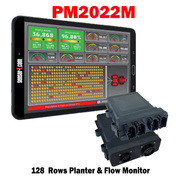
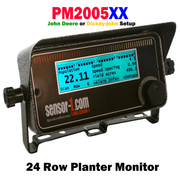
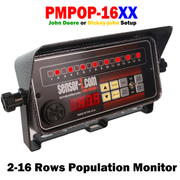
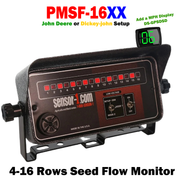
Power up your planter monitor before planting season begins.
Make sure the display starts correctly and check that all rows are communicating with the monitor. Verify your planter setup, row count, row spacing, and other settings used by your system.
A monitor that worked perfectly last season should still be tested before going back to the field.
3. Check Hopper and Bin Level Sensors
Don't overlook your hopper or bin level sensors.
These sensors can alert the operator when seed or other material reaches a certain level, helping reduce the chance of unexpectedly running empty.
Check the sensor mounting position, connections, and operation before filling the planter.
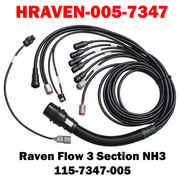
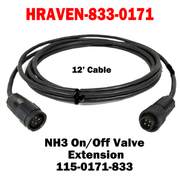
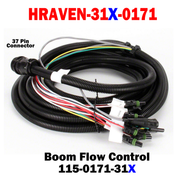
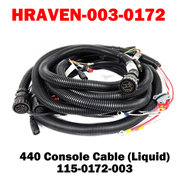
4. Inspect Your Wire Harnesses
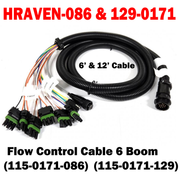
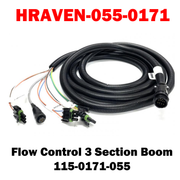
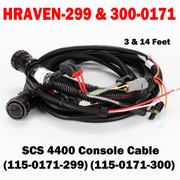
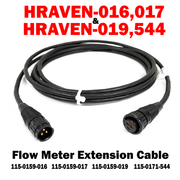
Your planter's wire harnesses operate in a tough environment. Dirt, moisture, vibration, rodents, and normal wear can all cause problems.
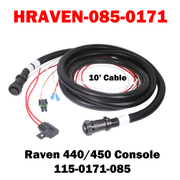
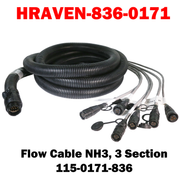
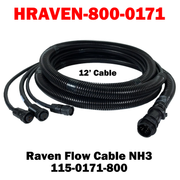
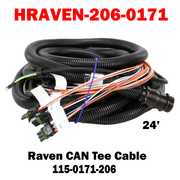
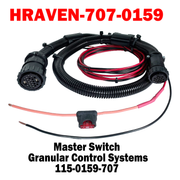
Walk around the planter and carefully inspect the wire harnesses. Look for damaged or pinched wires, loose connectors, corrosion, exposed wiring, broken clips, and connectors that aren't fully seated.
Pay special attention to areas where the harness passes around moving parts, hinges, and frame sections where wires can rub or become pinched.
Taking a few minutes to inspect your wire harnesses before planting can help prevent sensor problems and unnecessary downtime in the field.
5. Verify Speed and Acre Tracking
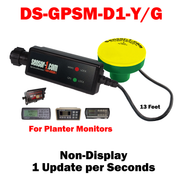
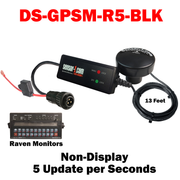
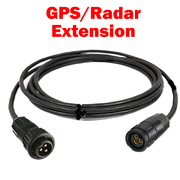
If your monitoring system uses GPS, radar, or another speed source, make sure it is providing an accurate speed reading.
Accurate speed information is important for calculations such as seed population and field acres.
It's also a good time to verify your field-acre settings before planting begins.
6. Keep Spare Parts Ready
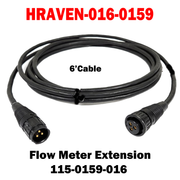
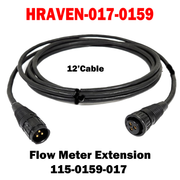
Even a well-maintained planter can have a sensor, cable, or harness component fail during the season.
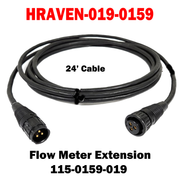
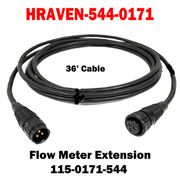
Keeping a few commonly needed replacement sensors, cables, and connectors on hand can help get you back to planting faster instead of waiting for a part when conditions are right.
Be Ready When the Field Is Ready
Planting season is too important to spend valuable field time troubleshooting equipment that could have been checked beforehand.
A preseason inspection of your planter, sensors, monitor, wire harnesses, and settings can help you catch small problems before they become bigger ones.
SENSOR-1 provides agricultural monitoring equipment, sensors, replacement components, and solutions designed to help keep your planter monitoring system working in the field.
Visit SENSOR-1.com to learn more about planter monitors, seed sensors, hopper level sensors, wire harnesses, cables, and other agricultural monitoring products.
SENSOR-1 — Know What’s Happening While You Plant.